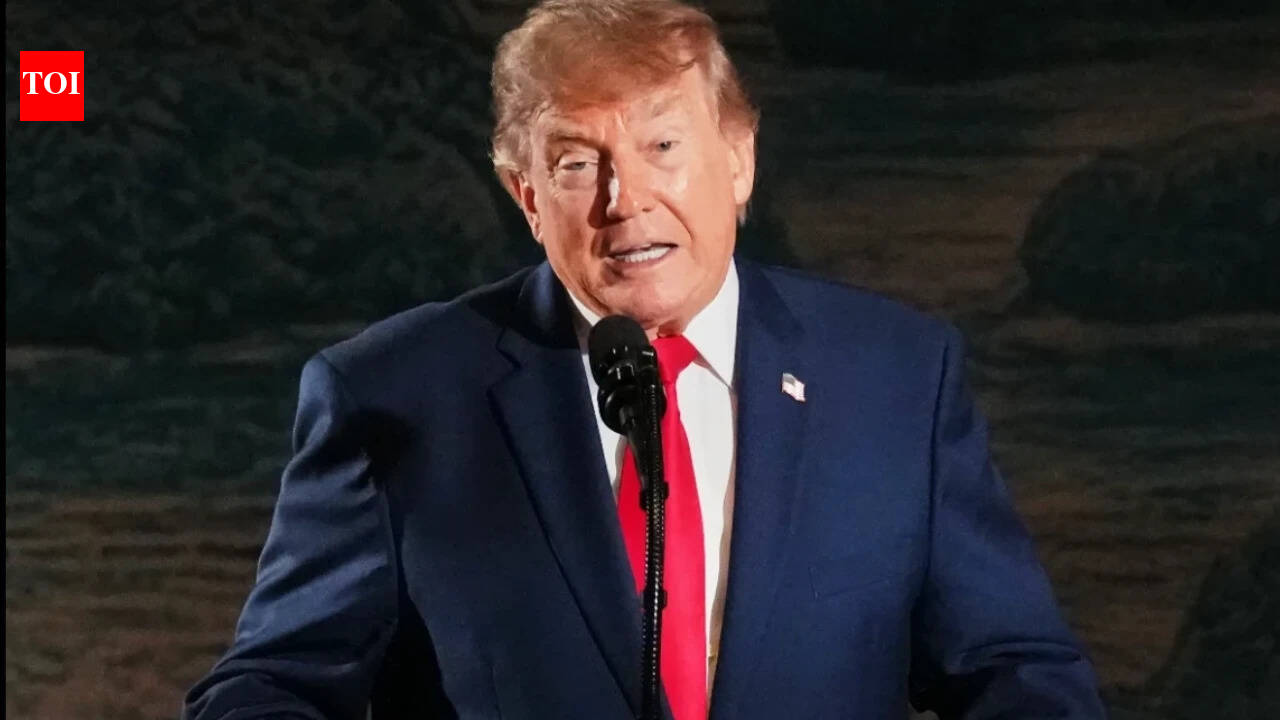
According to a report from PBS, a judge declined to issue a long-term ban on taxpayer-funded, pro-Trump ads that critics called propaganda. The decision allows the legal fight over the public messages to continue without an immediate permanent block. This ruling marks a major step in the ongoing dispute over how official funds are spent on political messaging.
What did the judge decide on pro-Trump ads?
The court reviewed arguments about whether government funds should be stopped from paying for messages that support Donald Trump. Opponents asked for a long-term ban to halt the ad campaigns right away. Instead of granting that broad order, the judge declined to step in with a permanent halt at this stage.
People who opposed the spending argued that public money must never support partisan messages. They told the court that the broadcasts crossed the line into state propaganda. Because the judge did not issue a long-term ban, the case will move forward through regular legal channels while the ads remain a point of fierce public debate.
Why do critics call the ads propaganda?
The main complaint centers on the exact source of money used to buy airtime and digital space. Critics say public tax dollars belong to all citizens and should only pay for basic government information. When those official messages praise a political figure, opponents claim it damages fair democratic rules.
- Critics argue that taxpayer-funded ads should never favor any single leader.
- The messages were labeled as propaganda by groups seeking an immediate court order.
- The judge chose not to issue a long-term ban while the lawsuit proceeds.
Supporters of official messaging often argue that administrations have a duty to share their policies with the public. They maintain that informing voters about executive programs is a standard practice for leaders in office. This divide creates regular disputes between political parties over what counts as policy education and what counts as campaigning.
What happens next in the legal fight?
Even though the judge declined a long-term ban, the broader legal battle is not over. Lawyers on both sides will continue to present evidence about whether the spending followed federal budget rules. The court will look closer at the specific laws that govern executive communications and public advertising limits.
Voters and legal observers will watch how future rulings define the line between routine government public relations and partisan work. If judges eventually set tighter limits, future administrations could face stricter rules on how they talk to the public. For now, the decision leaves the disputed ad programs without a sweeping judicial block.
Comments
Post a Comment