- Get link
- X
- Other Apps
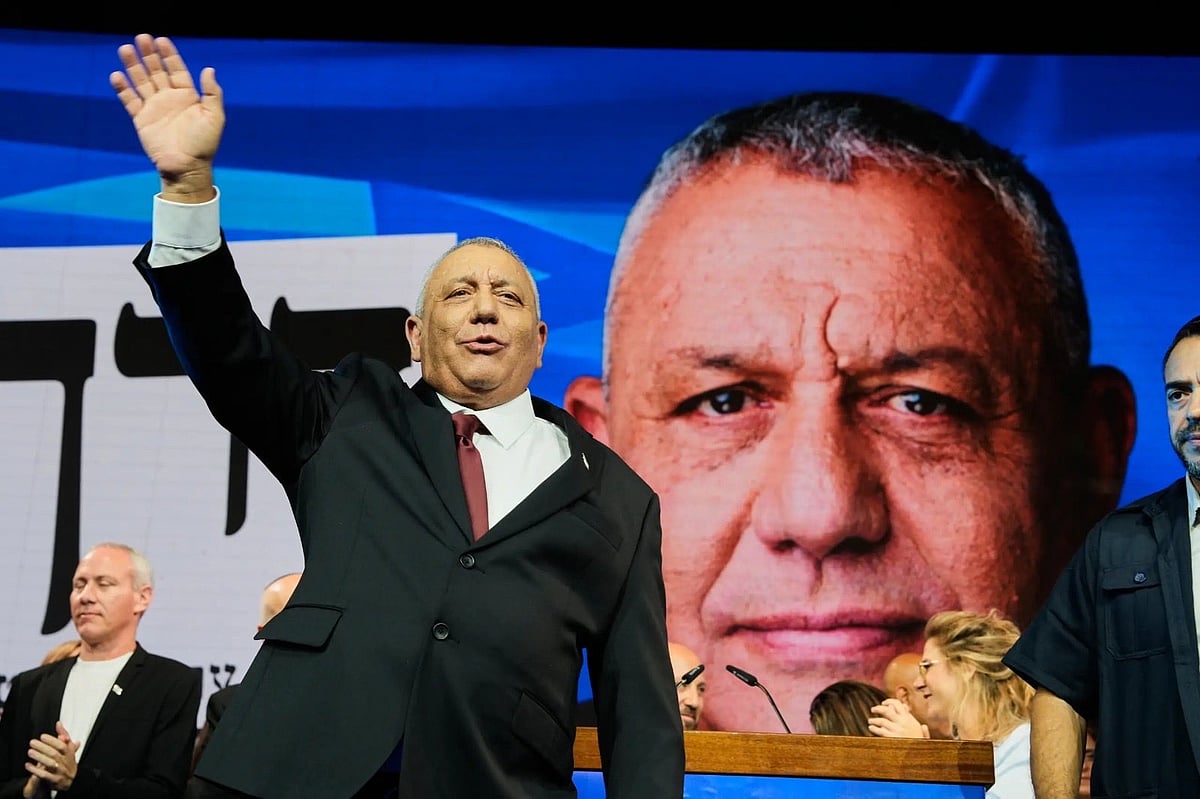
Al Jazeera reported on whether the political group around Gadi Eisenkot sits further from the right wing than the group led by Benjamin Netanyahu. This question comes as people watch how leaders in Israel talk about defense, safety, and governance. Observers want to know if a change in power would really bring a different path.
Is Israel's Eisenkot bloc less right wing than Netanyahu?
Many voters ask this exact question as new groups take shape in politics. The political camp tied to Gadi Eisenkot presents itself as a steady choice for security and leadership. At the same time, many people wonder if its core views on key matters are truly far from the views of Netanyahu.
People in Israel look closely at how each group talks about safety and daily life. Both groups put national defense at the top of their plans. Because of that focus, critics and voters ask if the plans on land, peace, and foreign allies will stay mostly the same.
What this political debate means for everyday people
For ordinary families, political shifts are not just about party names or leaders. These questions touch daily safety, prices in stores, and military service for young adults. When top leaders share similar ideas on security, citizens wonder how much their daily routines will change under a new government.
Key areas that people watch during this debate include:
- Daily security: How leaders plan to protect towns and borders.
- Government leadership: Whether a new group will run public offices differently than the current cabinet.
- Regional policy: How the country will talk with neighbors and world powers.
When leadership changes happen, people hope for stability and clear answers about the future. If the main groups hold similar core goals, changes may happen slowly rather than all at once.
How this compares to the current government
The current leadership under Netanyahu has taken a firm line on national defense and domestic control. Many voters know what to expect from the Thirty-eighth government of Israel and its strong right-wing partners. Because of this record, any rising group faces questions about where it stands on the political map.
Some voters want a clear break from past choices, while others prefer steady, tested policies. The debate raised by news reports helps people weigh their choices carefully. It pushes politicians to explain their real plans instead of just offering broad promises about unity.
What voters should watch next
In the coming months, leaders will have to speak directly on difficult choices. As campaigns get closer, both Netanyahu and his challengers will lay out their goals in front of crowds and cameras. Those speeches will show whether the divide between them is wide or narrow.
Voters can watch for clear statements on defense, spending, and public life. The group that offers practical solutions to everyday struggles will likely earn the strongest support. Until then, questions about how far to the right each leader stands will stay at the front of the news.
Comments
Post a Comment